
←
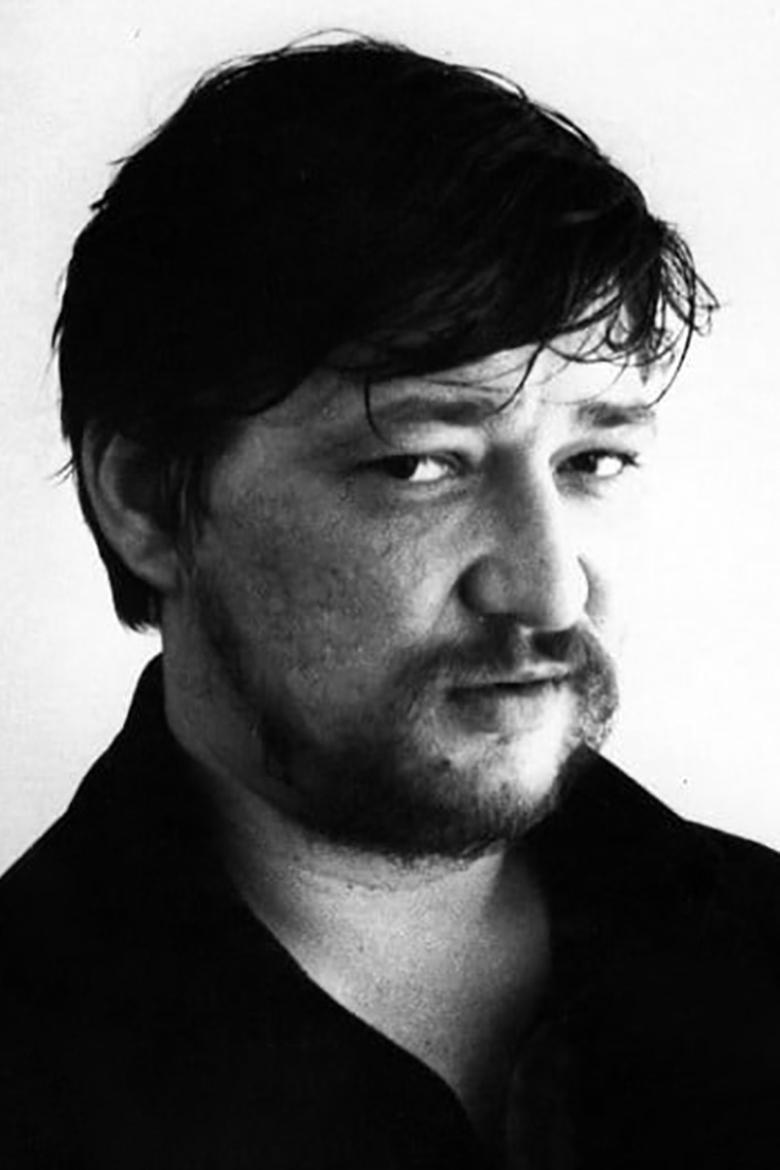
Meet Rainer Werner Fassbinder
★ Directing🎥 70 films📺 12 TV shows📅 1951–2024🔥 1
Also known as: Rainer W. Fassbinder, R. W. Fassbinder, 라이너 베르너 파스빈더, Franz Walsch...
Born in Bad Wörishofen, Germany
1945-05-31 (age 37 at death)
Died 1982-06-10
Rainer Werner Fassbinder (31 May 1945 — 10 June 1982) was a German film director, screenwriter, and actor. Considered one of the most important figures in the New German Cinema, Fassbinder was prolific; in a professional career less than fifteen years, he completed forty feature-length films, two television film series, three short films, four video productions, twenty-four stage plays, and four radio plays.
He had tortured, personal relationships with the actors and technicians around him who formed a surrogate family. However, his pictures demonstrate his deep sensitivity to social outsiders and his hatred of institutionalized violence. He ruthlessly attacked both German bourgeois society and the larger limitations of humanity.
Fassbinder died in June 1982 at the age of 37 from a lethal cocktail of cocaine and barbiturates. His death has often been cited as the event that ended the New German Cinema movement.
From Wikipedia
Rainer Werner Fassbinder (German: [ˈʁaɪnɐ ˈvɛʁnɐ ˈfasbɪndɐ] ; 31 May 1945 – 10 June 1982), sometimes credited as R. W. Fassbinder, was a German filmmaker, dramatist and actor. He is widely regarded as one of the major figures and catalysts of the New German Cinema movement. He directed over 40 films that span a variety of genres; frequently his work blends elements of Hollywood melodrama with social criticism and avant-garde techniques. His films, according to him, explored "the exploitability of feelings". His work was deeply rooted in post-war German culture: the aftermath of Nazism, the German economic miracle and the Red Army Faction. He worked with a company of actors and technicians who frequently appeared in his projects.
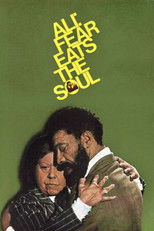
Fassbinder began leading the acting troupe Anti-Theater in 1967, with whom he staged some of his earliest productions. His first feature-length film was a gangster movie called Love Is Colder Than Death (1969); he scored his first domestic commercial success with The Merchant of Four Seasons (1972) and his first international success with Ali: Fear Eats the Soul (1974), both of which are considered masterpieces by contemporary critics. Big-budget projects such as Despair (1978), Lili Marleen and Lola (both 1981) followed. His greatest success came with The Marriage of Maria Braun (1979), chronicling the rise and fall of a German woman in the wake of World War II. Other notable films include the lesbian chamber drama The Bitter Tears of Petra von Kant (1972), Fox and His Friends (1975), Satan's Brew (1976), In a Year of 13 Moons (1978) and Querelle (1982), all of which dealt with homoerotic themes. He also directed the TV series World on a Wire (1973) and Berlin Alexanderplatz (1980).
Fassbinder died on 10 June 1982, aged 37, from a lethal cocktail of cocaine and barbiturates. His career lasted less than two decades, but he was extremely prolific; between 1967 and 1982, he completed over 40 feature films, 24 plays, two television serials, three short films and four video productions, winning five of the most prestigious prizes for feature film in Germany, including the Golden Bear and multiple German Film Awards. His premature death is often considered the end of the New German Cinema timeframe.
Web: Not available

Highest Rated Films




Powered by TMDB. © MyMovieScripts.com. All Rights Reserved. Make your videos interactive|Built by  TouchPoint.Video
TouchPoint.Video